
I failed to link to this anecdote when it was making the rounds earlier in the year, but this is a legitimately bonkers story about a fun/maddening debugging session (you know it’s a good sign when you’re breaking out strace to diagnose a yarn script). 🚋
Tag: 1990s
-
Cloudflare: “A steam locomotive from 1993 broke my yarn test”
-
Consumer Aesthetics Research Institute (CARI)
Trying to describe and qualify contemporary aesthetic trends isn’t new, even in our hyper-online era (I first heard about product designers’ obsession with blobjects in the pages of Artbyte circa 1999, RIP to both that magazine and to me 💀), but like the two hard problems of computer science, naming things is often the difficult work.
Enter the Consumer Aesthetics Research Institute, a group of online researchers cataloguing and sifting through the design trends (especially imagery) since the 1970s that bubbled up out of subcultures far enough to be picked up by the corporate world and out into shopping malls and ads in popular magazines of the day. They provide a handy filterable and sortable interface to these design trends.
I love having names for these trends — sure, lots of design-y folks can probably identify Memphis style by name, but how about Rad Dog or Whimsicraft!
From It’s Nice That’s write-up on CARI’s work:
From coquette to dark academia, girl-dinner to white boy summer, micro-trends dominate the internet. Interests, fashion and fandoms have become so granular, with everyone out to try to create their own aesthetic, that the average person is often left feeling dizzy from the esoteric jargon of the online design world. We live in a wonderfully varied, but confusing, fragmented polyculture, sometimes so difficult to navigate that people wonder if subcultures no longer exist. But the worlds of obscure aesthetics within the larger design universe offer a drastically different perspective. Subcultures are in fact thriving – they’re alive, they’re actively shaping our world and anything, no matter how niche, can belong to somebody.
-
Happy 30th to Mosaic Netscape
A couple of weeks belated, but happy 30th birthday to the release of Netscape’s 0.9 public preview, which in many ways signaled the birth of the popular Web (yes, the WWW had already existed for a few years, and Mosaic was the first browser that brought along images, but the non-commercial free availability of Netscape catapulted their browser onto so many desktops so quickly in 1994).
Also this post reminds me that I first learned HTML as a teen in 1994… 👴
-
Anil Dash on A New Web Renaissance
Lots that I agree with in this post, including this short paragraph that speaks to both the web3 of 2022, but definitely reminds me of what excited me in the early days of learning about the WWW:
People should have ownership and control of their data online. Users should be able to connect to services and then move between them freely without having to ask permission from any big tech companies. Creators should be fairly compensated for their work. Communities and movements should easily be able to form groups and collaborate together to achieve their goals.
-
RIP to the OG Alamo Drafthouse
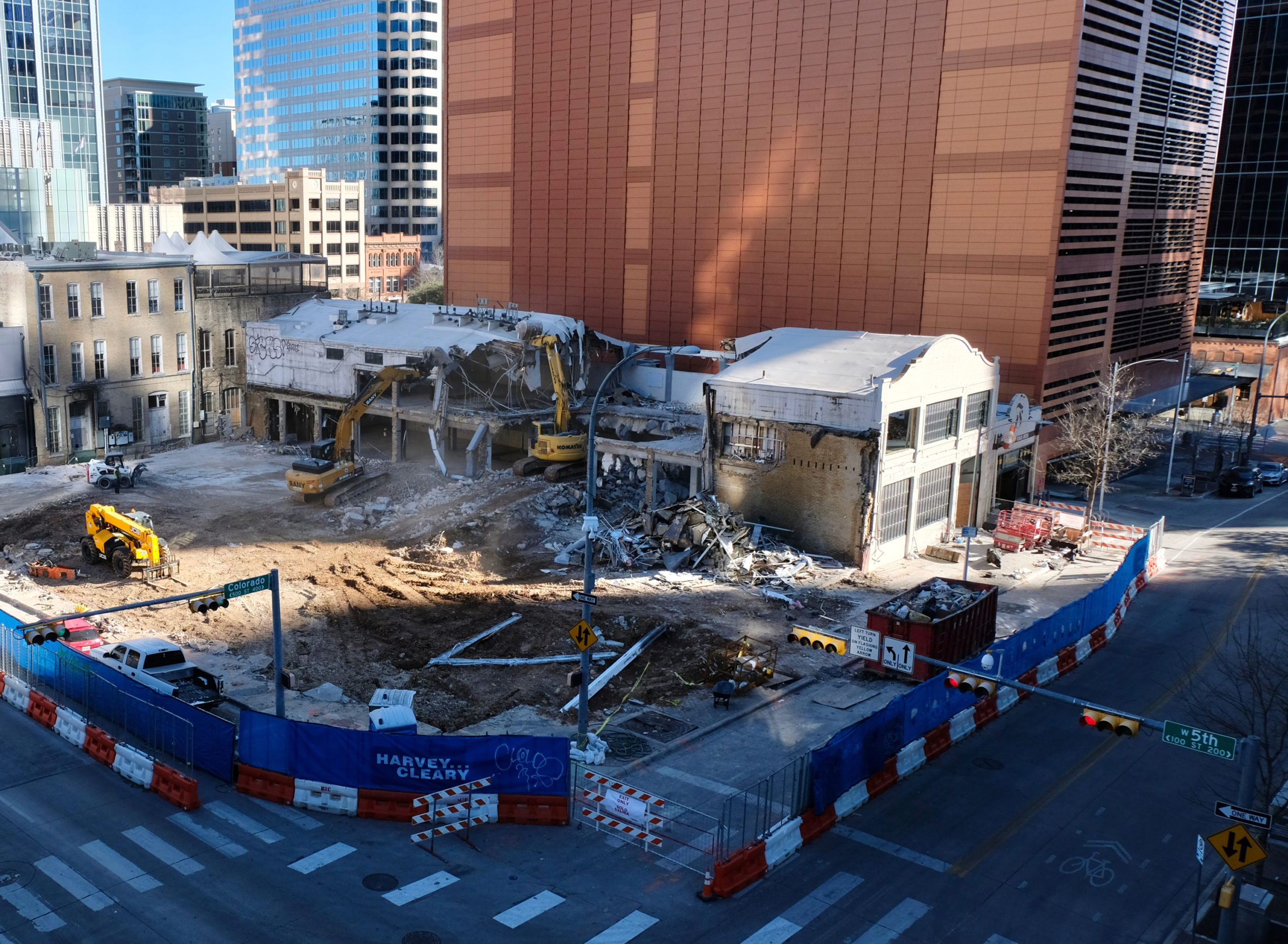
Another iconic Austin location bites the dust to make way for a new downtown tower: this time it’s the warehouse between 4th and 5th Streets on Colorado, which in the late 1990s became the upstairs home of the very first Alamo Drafthouse with its tiny single screen. Elijah Wood perfectly described it like being “somewhere between a movie theater, an attic, and a living room.”
If you’re nostalgic, now’s a good time to go read the Austin Monthly Oral History of the Alamo Drafthouse which has some great anecdotes about that space:
Elle Klein: Tim had lined the walls of the theater with hay bales. They were covered with black curtains … There was the wall, then hay bales, then a black curtain. There would constantly be hay coming out on the floor. We would sweep up hay at the end of the night.
Yup. Who needs special acoustic panels for soundproofing when you can just stuff the walls with hay??
There have been serious problems caused by the Drafthouse leadership over the past decade, even as they continue to open dozens of locations around the U.S., but I do miss the spirit of that first little theater and the amazing movies and community experiences that I would never have seen otherwise.
-
Colors: Where did they go?
A nice write-up on color grading in films, especially after the 1990s advent of digital intermediates and LUTs — or to say it more clearly, Why do movies all look like that these days??
-
Monkey Island 2 — Talkie Prototype!
I love when people dig up new dirt on my favorite things from 30-ish years ago, in this case a playable prototype of a never-developed “talkie” version of LucasArt’s The Secret of Monkey Island 2: LeChuck’s Revenge. The folks at the venerable MixNMojo site have a good writeup, including a detailed archeology on the differences and new sound resources discovered, along with information and images of LucasArt’s internal debugging tool called Windex (which ran on a second monitor in Hercules monochrome graphics mode!). Neat.
-
Old CSS New CSS
A fantastic post / trip down memory lane on the insanity that was developing for the web (the post touches on HTML and JS, not just the CSS of the title) from the late 90s through today.
-
They Live and the secret history of the Mozilla logo
From JWZ, co-creator of Mosaic and Netscape, the history of an iconic early logo design on the WWW, which was way more directly connected with Shepard Fairey than I had thought.
So that was the time that I somehow convinced a multi-billion dollar corporation to give away the source code to their flagship product and re-brand it using propaganda art by the world’s most notorious graffiti artist.
Side note: it’s a good time to rewatch They Live.
-
Sixteen Colors Draw – ANSI Editor
Create and edit ANSI and ASCII art in your browser!
If ansi.drastic.net isn’t doing it for you, here’s another in-browser ANSI art generator, with source available on Github. Go make some BBS graffiti!